
 WhatsApp
 Call Us
 Contact Us
Hypoxia in aviation occurs when people experience a lack of oxygen due to cabin pressure failures or high altitudes. The condition causes people to lose their ability to think properly and respond rapidly while experiencing total unconsciousness in extreme cases. The condition requires pilots and passengers to learn about its origins, its indicators and the methods which help them stay safe.
Aviation professionals need to learn about hypoxia because it is a fundamental requirement of their work. The blog examines how hypoxia affects human physiology, its dangerous effects, and the crucial safety systems that present-day aviation uses to ensure passenger safety.
What Is Hypoxia?
Hypoxia is a medical condition which occurs when the body and brain do not receive the needed oxygen to function normally. The air we breathe at ground level delivers oxygen to us through its atmospheric conditions, but since aeroplanes fly at a higher altitude, this sometimes poses an oxygen fluctuation in the cabin.
The aviation industry faces this problem, and without proper oxygen systems or pressurisation systems, which is a key concern in hypoxia in aviation.
For a deeper clinical perspective on how oxygen deprivation affects the human body, the Mayo Clinic’s overview of hypoxemia provides detailed medical insights into causes, symptoms, and treatment options. Understanding the underlying physiology helps both pilots and frequent flyers appreciate why even mild oxygen drops at altitude can have outsized effects on judgment, reaction time, and overall wellbeing.
Why Hypoxia Happens at High Altitudes?
Aircraft use basic air pressure systems, which decrease atmospheric pressure as they ascend to higher elevations and also face cloud ceilings. The atmosphere contains the same oxygen percentage at lower altitudes because the atmospheric pressure makes it harder for oxygen to enter the lungs and bloodstream, especially when considering the oxygen level at 35,000 feet.
Cabin pressure systems have stopped working, which leads to oxygen deprivation in the body because there is no access to extra oxygen.
Types of Hypoxia in Aviation
The identification of various hypoxia types enhances understanding, which enables people to prevent its occurrence:
- Hypoxic Hypoxia
The condition occurs at high altitudes when there is not enough oxygen present in the air. - Hypemic Hypoxia
Blood fails to deliver adequate oxygen to the body because of Anemia or Carbon monoxide poisoning. - Stagnant Hypoxia
Oxygen delivery to body tissues occurs because blood flow problems stop oxygen from reaching these areas, a situation often described as stagnant hypoxia in aviation in-flight studies. - Histotoxic Hypoxia
Cells become unable to use oxygen for their functions because of toxins, which include alcohol and drugs.
Hypoxia symptoms aviation create different effects across people, yet each person who experiences it shows these specific symptoms:
- Dizziness or lightheadedness
- Shortness of breath
- Confusion or poor judgment
- Fatigue
- Blurred vision
- Active users can develop a sensation of tingling
- Cyanosis occurs as a bluish discolouration of the lips or fingertips.
These signs are widely recognised, and hypoxia symptoms are monitored closely by aviation experts. Symptoms of hypoxia in pilots can also be found during high-altitude exposure.
The main risk of hypoxia arises from its capacity to interfere with a person’s self-awareness abilities. People fail to recognise their symptoms until their health condition reaches a critical state, increasing aviation hypoxia risks and worsening the effects of hypoxia on pilots.
Time of Useful Consciousness (TUC)
Time of Useful Consciousness (TUC) serves as a vital element of aviation safety. This period includes the time after oxygen deprivation when a person can carry out important activities.
TUC decreases rapidly at higher altitudes:
- At 25,000 feet: 3–5 minutes
- At 35,000 feet: 30–60 seconds
- At 40,000 feet: 15–20 seconds
The emergency response team needs to begin their work immediately because they have only a short period to deal with the situation after the occurrence, to prevent further
How Aircraft Prevent Hypoxia
Aircraft systems contain multiple technical designs for jets which deliver hypoxia protection through their safety functions, reducing the risks associated with hypoxia in aviation.
Pilot safety standards around hypoxia awareness are extensively documented by aviation regulators. The FAA’s pilot safety library on hypoxia and oxygen use outlines recommended altitude limits, supplemental oxygen requirements, and the training protocols certified pilots are expected to follow. These guidelines form the operational backbone of how modern aviation manages oxygen-related risk in both commercial and private flight operations.
Cabin Pressurization
Commercial and private aircraft systems maintain cabin pressure at altitudes between 6,000 and 8,000 feet, which guarantees passengers a sufficient oxygen supply.
Oxygen Masks
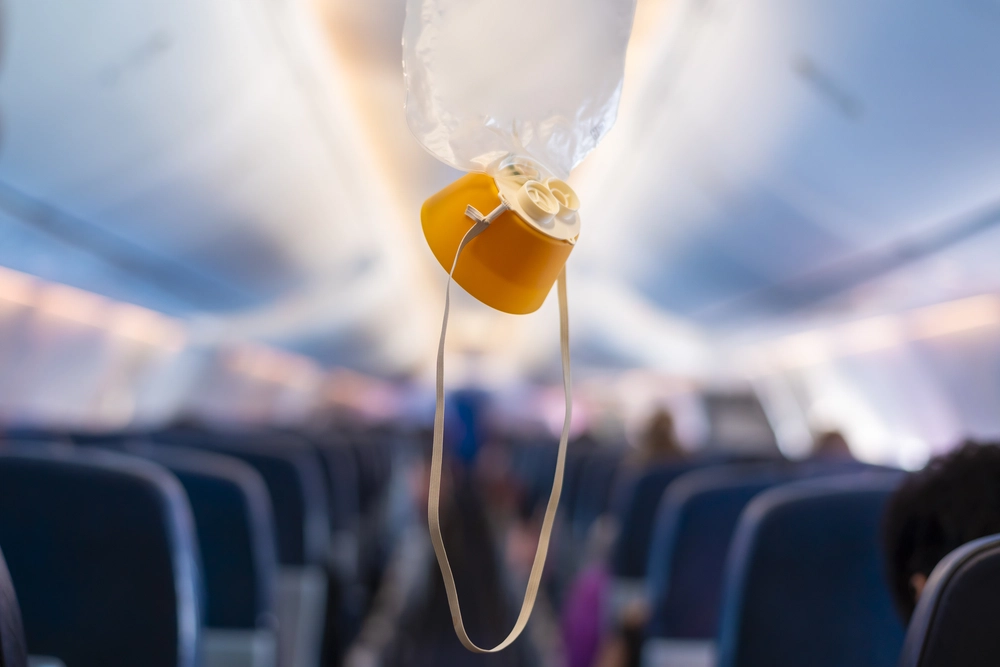
The aeroplane safety system will release oxygen masks automatically when cabin pressure drops. The system provides essential oxygen support to all passengers and crew members who require oxygen for their needs.
Pilot Oxygen Systems
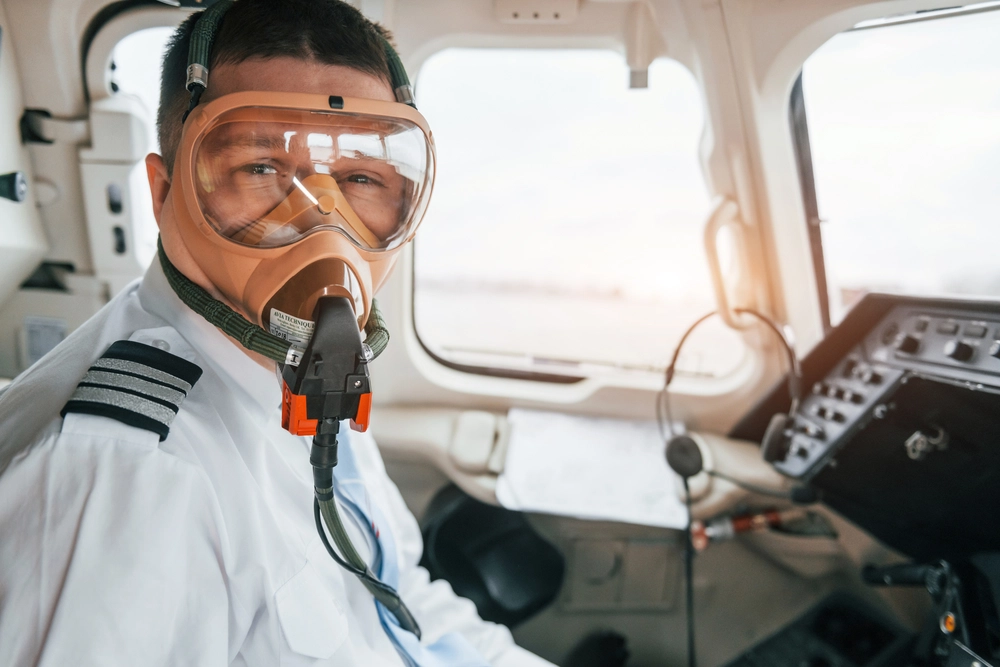
The dedicated oxygen system provides pilots with oxygen access during their high-altitude flights, ensuring that strong hypoxia safety in aviation practices is maintained.
Safety Tips for Pilots and Passengers
For Pilots:
Cabin pressure and oxygen level monitoring need to occur constantly. The system requires pilots to use an additional oxygen supply during their operations. Comprehensive hypoxia awareness pilots training is mandatory, which they should learn through their operational activities. The pilot team should refrain from using alcohol and any substances which block their oxygen capacity.
For Passengers:
The safety briefing presentation requires passenger attention for proper understanding. Passengers need to put on oxygen masks immediately after the system releases them into the environment. The flight crew needs to drink enough fluids throughout the entire flight. The traveller must avoid drinking excessive amounts of alcohol before their trip and during their journey.
Recognising Early Warning Signs
The early recognition of hypoxia signs at high altitude protects against major health outcomes. Pilots need training to identify their unique hypoxia signature because hypoxia symptoms differ among pilots.
The early warning signs have to be recognised because they present vital information which creates significant advantages and helps to avert hypoxia.
The Future of Aviation Safety
New aircraft technology with the latest types of jet, together with pilot training programs and enhanced monitoring systems, has successfully decreased hypoxia risks in aviation. The aviation safety advancements of today show great potential through two main technologies, which include intelligent cabin pressure control systems and personal health tracking devices. People need to understand the current hypoxia in aviation situations because it serves as the primary protection against hypoxia threats.
Hypoxia in Private Aviation
Private aviation relies on pilots to operate their aircraft because they need to recognise hypoxia danger through their flight operations, making hypoxia in aviation awareness even more critical. The pilots, together with the operators, need to monitor their altitude restrictions and their oxygen usage standards in various situations. Passengers must receive information about the possible dangers that exist during their high-altitude travels.
Hypoxia in aviation safety stands as the main element which Right Jet uses to develop its flight system. This system delivers its passenger service to customers.
RightJet provides complete safety protection through its experienced crews and transparent service, so we do our best to prevent hypoxia private jet. The private aviation experience becomes better through this method because it brings increased intelligence and security.
Understanding hypoxia isn’t just for pilots; it’s valuable knowledge for anyone who flies. With the right awareness and safety measures, the risks can be effectively managed, ensuring a safer journey at any altitude.
FAQs
1. What is hypoxia in aviation?
Hypoxia is a condition where the body doesn’t get enough oxygen, often occurring at high altitudes.
2. Why is hypoxia dangerous for pilots?
It impairs judgment, coordination, and reaction time, which can lead to critical errors during flight.
3. How do oxygen masks help?
They provide supplemental oxygen during cabin pressure loss, helping maintain normal body function.
4. Can passengers experience hypoxia?
Yes, especially during decompression events, but oxygen masks are designed to prevent serious effects.
5. What is Time of Useful Consciousness?
It’s the time a person can function effectively without oxygen before losing consciousness.