
 WhatsApp
 Call Us
 Contact Us
Understanding the types of jet fuel is essential for anyone involved in aviation, from private jet travellers to industry professionals. Fuel directly affects aircraft performance, safety, operating costs, and environmental impact. While many passengers focus on luxury, interiors, and speed, fuel choice remains one of the most critical elements behind every successful flight.
This guide explains how jet fuel works, the differences between fuel categories, and how operators select the best option for different aircraft and routes. By the end, you’ll have a clear understanding of how fuel supports modern private and commercial aviation.
What Is Jet Fuel and Why Does It Matter?
Before comparing fuel options, it’s important to understand what is jet fuel and why it is different from ordinary fuels. Jet fuel is a refined petroleum-based product designed specifically for turbine-powered aircraft. It must perform reliably at high altitudes, extreme temperatures, and long flight durations.
Unlike common plane fuel used in piston-engine aircraft, jet fuel is engineered to resist freezing, maintain stable combustion, and support efficient thrust generation. These characteristics allow jets to operate safely across continents without interruption.
Fuel quality also plays a role in maintenance cycles, emissions, and overall flight efficiency. Even small variations can impact range and operating costs.
Core Types of Jet Fuel Used in Aviation
Modern aviation relies on several standardised jet fuel types, each designed for specific operational needs. While global standards exist, availability may vary by region.
Jet A
Jet A is the most widely used fuel in the United States. It has a higher freezing point than some alternatives, making it ideal for domestic and moderate-range flights.
Jet A-1
Jet A-1 is the international standard and one of the most common aviation fuel types worldwide. Its lower freezing point allows for safer long-haul and high-altitude flights, especially across colder regions.
Jet B
Jet B is a wide-cut fuel that blends gasoline and kerosene properties. It performs well in extremely cold climates but is less commonly used due to handling complexity and volatility.
These jet fuel types explained above form the foundation of global jet operations, including most private jet fleets.
How Jet Fuel Is Different from Gasoline
A frequent question among new aviation enthusiasts is how is jet fuel different from gasoline. While both originate from crude oil, their chemical properties and use cases vary significantly.
Jet fuel is less volatile than gasoline, reducing fire risk during refuelling and flight. It also burns more steadily, which is essential for turbine engines that run continuously for hours. This difference is often highlighted in comparisons of jet fuel vs gasoline, especially when discussing safety and efficiency.
Because of these distinctions, jet fuel cannot be substituted with automotive gasoline without serious mechanical and safety risks.
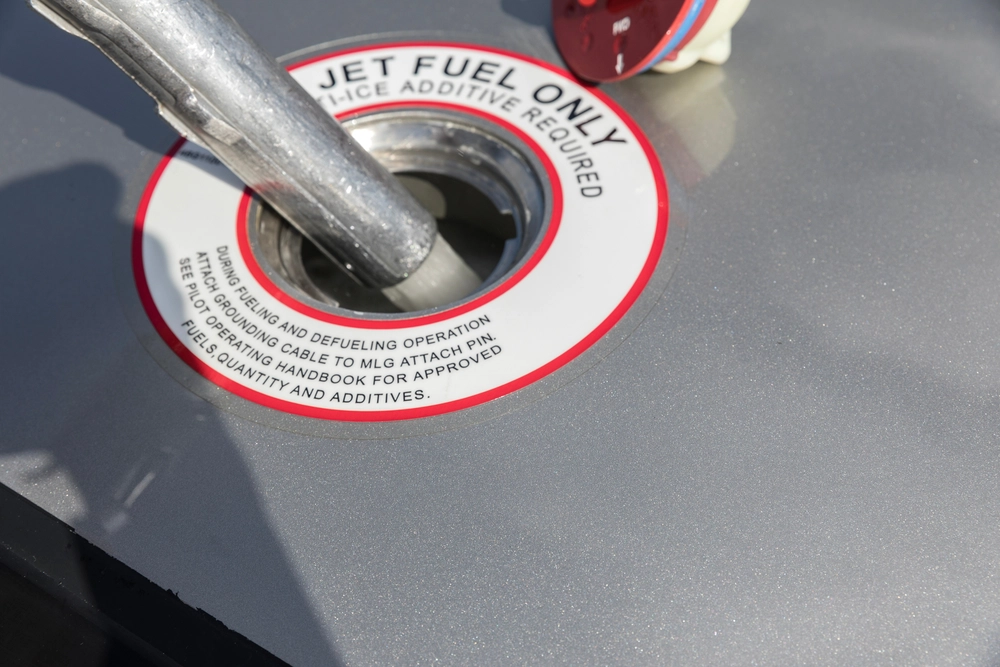
Aviation Fuel Types and Aircraft Compatibility
Not all aircraft are compatible with every fuel. Understanding plane fuel types is essential for matching aircraft engines with the correct fuel specification.
Turbine-powered jets exclusively use kerosene-based fuels, while smaller piston aircraft rely on aviation gasoline. Operators must ensure that the types of jet fuel they have selected align with engine design, climate conditions, and flight duration.
Fuel selection also affects operational planning, especially for international routes that involve customs and refuelling regulations. This is closely tied to compliance with private jet custom policies, where fuel documentation is often part of inspection procedures.
Environmental Considerations and Fuel Efficiency
Fuel efficiency has become a major focus in modern aviation. Advances in engine technology and fuel refinement have reduced emissions while improving range.
Newer aircraft consume less fuel per mile, making long-distance travel more sustainable. Operators also optimise routing and altitude selection to reduce burn rates. While traditional fuels remain dominant, alternative fuels and blends are gradually being introduced.
Understanding types of jet fuel and their efficiency helps travellers appreciate how aircraft selection, range, and even cabin configuration influence consumption.
Choosing the Best Fuel for Private Jet Operations
Selecting the right types of jet fuel is not only a technical decision but also an operational one. Factors influencing fuel choice include:
- Aircraft model and engine requirements
- Route length and altitude
- Climate conditions
- Regional fuel availability
Private jet operators carefully evaluate these variables to ensure safety, performance, and cost control. Aircraft selection also ties into private jet types, as different jets are optimised for specific fuel and range profiles.
This decision-making process supports smoother operations, especially on long-haul international flights.
Safety, Fuel Standards, and Regulations
Strict global regulations govern jet fuel quality and handling. UAE’s Sustainable Aviation Fuel General Policy sets fuel specifications to ensure consistent safety standards.
Fuel undergoes extensive testing before distribution, including checks for contamination, freezing point, and energy density. These standards protect aircraft engines and passengers alike.
Safety-focused fuel management works alongside aircraft design innovations, often discussed in resources about the safest private jet models.
The Role of Fuel in Comfort and Cabin Experience
While passengers may never see the fuel itself, it directly affects onboard comfort. Efficient fuel burn allows smoother climbs, quieter cabins, and stable cruising conditions.
This contributes to enhanced passenger experiences, especially on long flights where the cabin environment matters most. Factors like cabin pressurisation, temperature control, and onboard amenities are all covered in discussions about private jet interior, which depends on stable engine performance supported by proper fuel use.
Fuel reliability ensures uninterrupted luxury from takeoff to landing.

Common Misconceptions About Jet Fuel
Many people assume all types of jet fuel are the same, but this aviation fuel guide shows that variations exist for good reasons. Another misconception is that fuel choice is purely cost-driven. In reality, safety, climate, and aircraft compatibility matter far more than price alone.
Fuel is also often blamed for delays, when in fact weather, airspace congestion, or regulatory checks are more common causes, especially on international routes.
Understanding fuel realities helps travellers make informed decisions when booking private aviation services.
Conclusion
Understanding the types of jet fuel provides valuable insight into how modern aviation balances safety, efficiency, and performance. From long-haul international travel to short regional hops, fuel selection plays a critical role in every successful flight.
At RightJet, we go beyond aircraft selection to ensure every operational detail, including fuel planning, compliance, and performance, is handled with precision. Whether you’re planning executive travel or luxury leisure flights, informed fuel management is part of delivering a refined private aviation experience.
Frequently Asked Questions (FAQs)
1. Can different types of jet fuel affect flight range?
Yes, fuel quality and energy density can influence how far an aircraft can fly on a single load.
2. Is jet fuel availability the same in every country?
No, availability varies by region, which is why operators plan refueling carefully on international routes.
3. Can private jets refuel at small regional airports?
Yes, many private airports provide jet fuel, but advance confirmation is often required.
4. Does fuel choice impact aircraft maintenance costs?
Yes, using the correct fuel reduces engine wear and helps lower long-term maintenance expenses.
5. Are sustainable aviation fuels compatible with private jets?
Some modern private jets can use sustainable blends, depending on engine certification and availability.