
 WhatsApp
 Call Us
 Contact Us
Choosing the right aircraft is more than about just luxury and performance; it is also about protection, reliability, and peace of mind. In this guide, we explore how aviation safety standards work, what features define the safest private jet, and which aircraft models consistently earn elite travelers’ trust. From technology and certification to pilot training and maintenance, this article explains how safety and comfort come together in modern private aviation.
How Safety Standards Shape Modern Private Aviation
Safety in private aviation begins long before a jet ever leaves the runway. Every aircraft must comply with strict international certification standards set by authorities such as the Federal Aviation Administration (FAA) and the European Union Aviation Safety Agency (EASA). These organizations evaluate structural integrity, system redundancy, fire resistance, emergency performance, and avionics reliability before any aircraft enters service.
The reputation of the safest private jet is built on consistent performance across thousands of flight hours, advanced monitoring systems, and the manufacturer’s track record. Reliability, maintenance discipline, and crew training are equally important factors. When these elements align, private aviation achieves safety levels comparable to and in some cases exceeding commercial airline standards.
To better understand aircraft categories and safety distinctions, explore our guide to private jet types.
What Makes a Private Jet Truly Safe?
Several design principles define modern safety leadership. Redundant flight control systems ensure pilots retain control even after component failures. Advanced weather radar allows early turbulence and storm detection, while automated flight protections reduce the risk of pilot error.
Cabin engineering also plays a role. Reinforced fuselages, impact-absorbing seating, fire-retardant materials, and smoke detection systems protect passengers during unexpected events. These features are key reasons some aircraft earn reputations as the safest private planes in long-term service records.
Safety is also influenced by maintenance philosophy. Aircraft built for durability and long operational life typically become the most reliable private jet choices, especially for international routes and frequent flyers. According to official FAA aircraft certification guidance, structural testing and system redundancy remain core pillars of modern aviation safety:
Which Are the Safest Private Jet Models in 2026?
When experts discuss the safest private jets 2026, several manufacturers consistently lead global safety rankings. Bombardier, Gulfstream, Dassault, and Embraer dominate this category because of their engineering heritage and continuous system upgrades.
Popular safest private jet models include the Gulfstream G700, Dassault Falcon 10X, Bombardier Global 8000, and Embraer Praetor 600. These aircraft integrate fly-by-wire systems, predictive maintenance monitoring, and advanced terrain-avoidance software.
Independent aviation organisations and insurers frequently include these aircraft in every credible private jet safety ranking due to low incident rates, strong dispatch reliability, and excellent performance in extreme weather conditions.
For travellers considering ownership, reviewing safety certifications before you buy private jet, is an essential step in long-term security planning.
Are Luxury Jets Also the Safest Choice for Long-Range Travel?
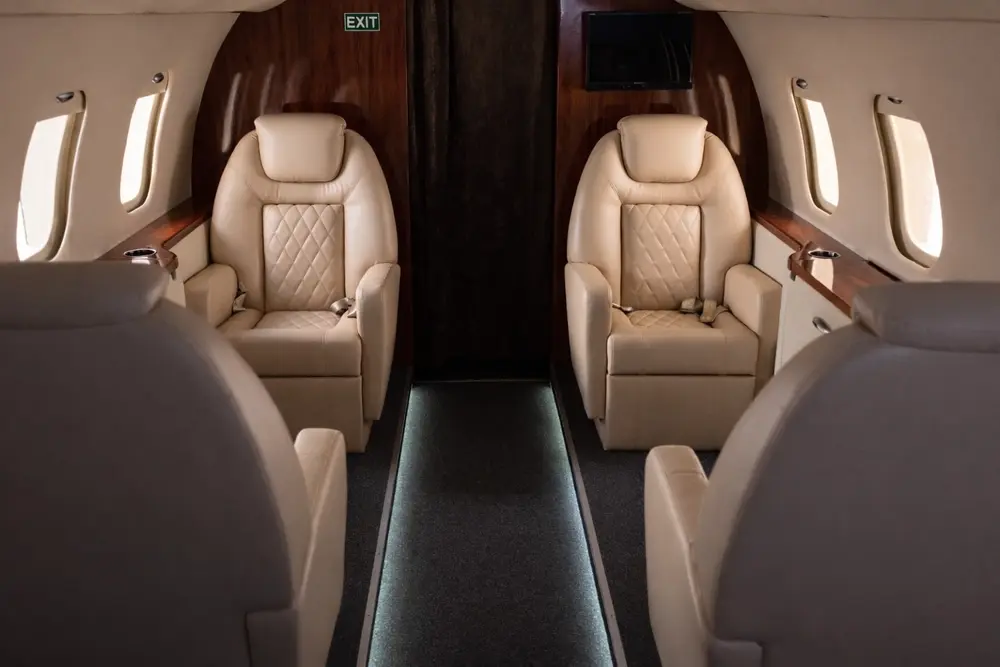
Many clients wonder whether elegance compromises protection. In reality, the safest jet for luxury travel often sits at the very top of the market. Ultra-long-range jets feature dual electrical systems, triple-redundant hydraulics, and sophisticated cabin pressure management that reduces fatigue and medical risk.
Comfort contributes to safety by minimising passenger stress and pilot workload. Well-designed cabins improve alertness, and superior private jet interior layouts allow crew members faster movement during emergencies.
Seating design also matters, and modern private jet seating incorporates energy-absorbing frames and improved restraint systems. Some high-profile owners even customise safety features. For example, aircraft like Dassault Falcon demonstrate how luxury fleets integrate both elite comfort and enhanced operational monitoring.
How Do Pilots and Technology Protect Passengers in Flight?
Pilot training is the invisible foundation of aviation safety. Type-rated simulator training, emergency scenario drills, and recurrent certification programs keep crews prepared for rare but critical situations.
Technology supports these efforts. Real-time health monitoring systems detect early component fatigue, while satellite-based navigation improves situational awareness in congested airspace. These innovations explain why many aviation analysts identify the top private jets for safety not only by design but also by operational ecosystem quality.
Global safety data published by the International Air Transport Association shows how modern monitoring systems have dramatically reduced incident rates across business aviation:
Advanced health-monitoring sensors installed in modern jets now track engine performance, structural stress, and avionics reliability throughout each flight. These systems allow maintenance teams to address issues proactively rather than reactively.
For passengers, this layered approach to safety means every journey benefits from both engineering excellence and operational vigilance. When evaluating the safest private jet, travellers should consider not only the aircraft itself but also the standards upheld by the charter company or owner operating it.
How Should Travelers Choose the Safest Private Jet?
Selecting the right aircraft begins by asking a simple question: What is the safest private jet for your travel profile? Short regional flights favour light jets with excellent runway performance, while intercontinental missions demand long-range aircraft with enhanced redundancy and fatigue-reduction features.
Capacity also matters. Larger cabins allow more equipment redundancy and stronger structural margins. Reviewing manufacturer service bulletins, dispatch reliability statistics, and accident histories will reveal which models consistently perform at the highest safety level.
Operational partners matter as well. Reputable charter operators maintain fleets under strict quality control and audit programs. The combination of aircraft model, maintenance culture, and crew expertise ultimately defines how well any safest private jet performs in real-world conditions.
Conclusion
In today’s aviation landscape, safety and luxury are no longer competing priorities. In addition to aircraft design and manufacturer reputation, the role of operator discipline plays a major part in determining the overall safety of any flight. Even the safest private jet model depends on strict maintenance schedules, experienced flight crews, and compliance with international aviation regulations.
Leading operators follow enhanced inspection programs, continuous pilot training, and real-time flight monitoring systems to detect potential risks before they escalate. The safest private jet combines cutting-edge engineering, disciplined maintenance, elite pilot training, and refined cabin design. From advanced avionics to reinforced structures, the world’s safest aircraft deliver protection without sacrificing elegance. At RightJet, we carefully select and manage aircraft that meet the highest global safety benchmarks while offering exceptional comfort and performance. Whether you are exploring ownership, charter, or advisory services, our focus remains clear: delivering secure, reliable, and seamless journeys where safety is not an option, but a promise.