
 WhatsApp
 Call Us
 Contact Us
Turbulence is one of the most common concerns for travellers stepping into private aviation for the first time. Although sudden movements can feel uncomfortable, turbulence rarely represents a safety risk and is carefully managed through aircraft engineering, pilot training, and advanced weather forecasting.
The following guide explains what causes private jet turbulence, how aircraft size and altitude influence it, how modern jets handle unstable air, and what passengers should realistically expect during turbulent conditions.
What Causes Turbulence During Private Jet Flights?
Private jet turbulence develops when air masses of different temperatures and speeds interact, creating irregular airflow patterns. These disturbances are commonly produced by jet streams, frontal systems, mountain waves, and rising warm air columns known as thermals.
From a meteorological perspective, turbulence is categorised into several types, including clear-air turbulence, thermal turbulence, mechanical turbulence near terrain, and wake turbulence from other aircraft. Each form behaves differently depending on altitude, geography, and atmospheric stability according to the National Weather Service and Aviation Turbulence Overview.
In private aviation, turbulence is treated as a predictable atmospheric condition rather than an operational hazard. Flight planners analyse wind charts, satellite data, and turbulence forecasts long before departure to identify unstable air layers along the route.
Because private aircraft can freely adjust both routing and altitude, exposure to unstable airflow is usually brief and localised. This flexibility plays a central role in managing private jet turbulence throughout the flight and maintaining consistent ride quality.
How Aircraft Size Influences Turbulence Perception
Passengers often ask whether larger aircraft experience smoother flights. Questions such as “Do big planes have less turbulence and are smaller planes more turbulent’’ are common among travellers new to private aviation.
Larger aircraft naturally dampen motion due to greater mass and wing loading, which reduces how quickly the fuselage reacts to airflow changes. This explains why many assume do larger planes have less turbulence than lighter jets.
However, private operations compensate through altitude freedom and routing flexibility. While a light jet may feel motion more directly, it can rapidly climb or descend to avoid instability. Commercial airliners, restricted to fixed flight corridors, often remain trapped in turbulent layers longer.
Selecting from different private jet types can influence the comfort of a flight in turbulent conditions. Larger, heavier jets dampen the sensation of motion, while midsize jets allow flexibility to manoeuvre above or around turbulent layers efficiently.
This operational agility allows many private flights to achieve smoother conditions for Private jet turbulence despite differences in aircraft size.
Why Altitude Selection Is Key to Smoother Flights
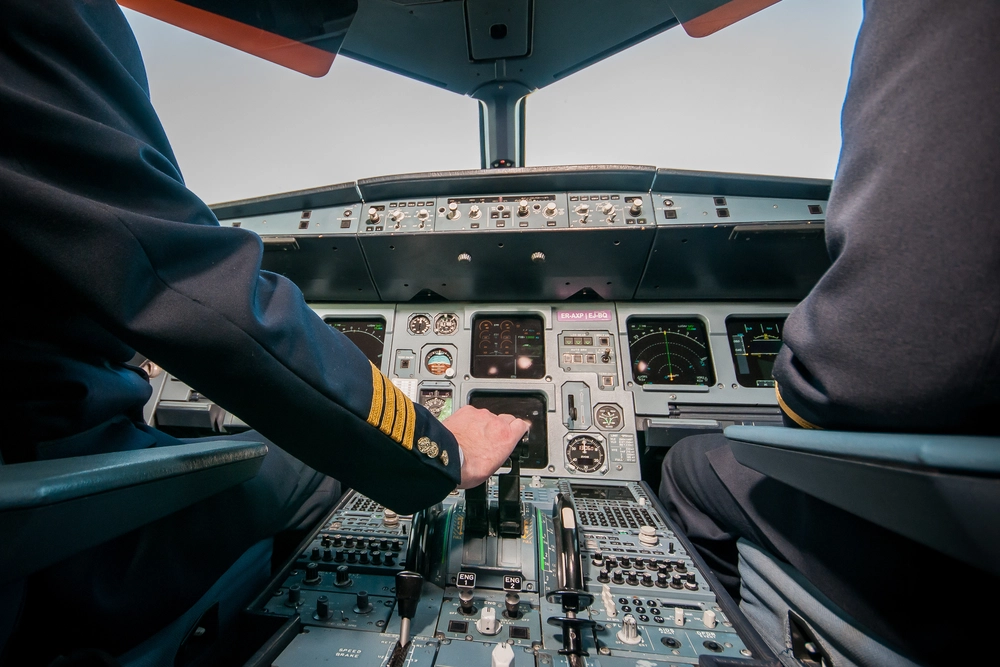
Altitude plays a decisive role in turbulence management. Instability often forms near jet stream boundaries, cloud tops, and temperature inversion layers. By analysing vertical wind profiles, pilots avoid areas associated with private jet flight altitude turbulence.
Clear-air turbulence frequently appears near high-speed wind gradients at cruising levels. When detected, crews adjust altitude by a few thousand feet to restore smooth airflow.
This flexibility enables many operators to maintain a private jet smooth flight. The ability to continuously optimise altitude remains one of the most valuable comfort advantages of private aviation.
How Modern Jets Are Built to Handle Turbulence Safely
Aircraft structures are certified to withstand private jet turbulence forces far exceeding those encountered in normal operations. Wings flex intentionally to absorb energy, while reinforced fuselage frames distribute aerodynamic loads evenly across the airframe.
Advanced flight control systems continuously adjust control surfaces to stabilise pitch, roll, and yaw during airflow disturbances. These systems form the technical foundation of how do private jets handle turbulence with precision and reliability.
From a safety standpoint, turbulence is a design-certified condition. Aircraft are structurally tested far beyond any turbulence encountered in normal operations, ensuring full compliance with private jet turbulence safety standards, as you can see in the FAA – Turbulence and Aircraft Safety PDF.
Modern avionics suites include predictive wind-shear detection, turbulence trend monitoring, and automated control surface adjustments.
Comfort Systems That Reduce Turbulence Sensation
Passenger comfort depends on more than atmospheric stability alone. Cabin vibration damping, balanced weight distribution, and optimised wing geometry all reduce motion transfer into the cabin.
Seating position also matters. Mid-cabin locations experience less vertical movement than forward or aft sections. This design approach significantly improves private jet turbulence comfort, especially on longer sectors.
Stable pressurisation systems further enhance ride quality by reducing pressure fluctuations that can amplify motion perception. Together, these features transform brief disturbances into manageable sensations rather than disruptive events.
How Pilots Minimise Turbulence Before and During Flight
Turbulence avoidance begins during preflight planning. Weather models, pilot reports, and turbulence charts guide routing decisions that reduce exposure. These strategies support avoiding turbulence on private jets even before departure.
Pilots often combine turbulence data with weather assessments, including cloud ceiling, to optimise routing. A clear understanding of cloud layers and their altitudes helps crews anticipate rough air pockets and avoid unnecessary disturbances during flight.
In flight, radar imaging and real-time wind data allow crews to identify developing instability ahead. Minor altitude changes or lateral deviations often restore smooth airflow within minutes.
This proactive approach explains why many travellers report fewer sustained disturbances compared to airline journeys. Private operations maintain superior control over routing, schedule, and passenger comfort, improving the overall flight experience.
What Passengers Should Expect During Turbulent Moments
Most Private jet turbulence encountered is light and short-lived. Sudden bumps, brief altitude variations, and wing movement are normal and well within certified limits.
Travellers frequently wonder do private jets have more turbulence or whether private jets are more turbulent than commercial aircraft. In practice, turbulence frequency depends more on weather patterns than on aircraft type.
Questions such as turbulence in small planes vs big planes reflect perception rather than risk. Regardless of aircraft size, turbulence remains structurally harmless and operationally manageable.
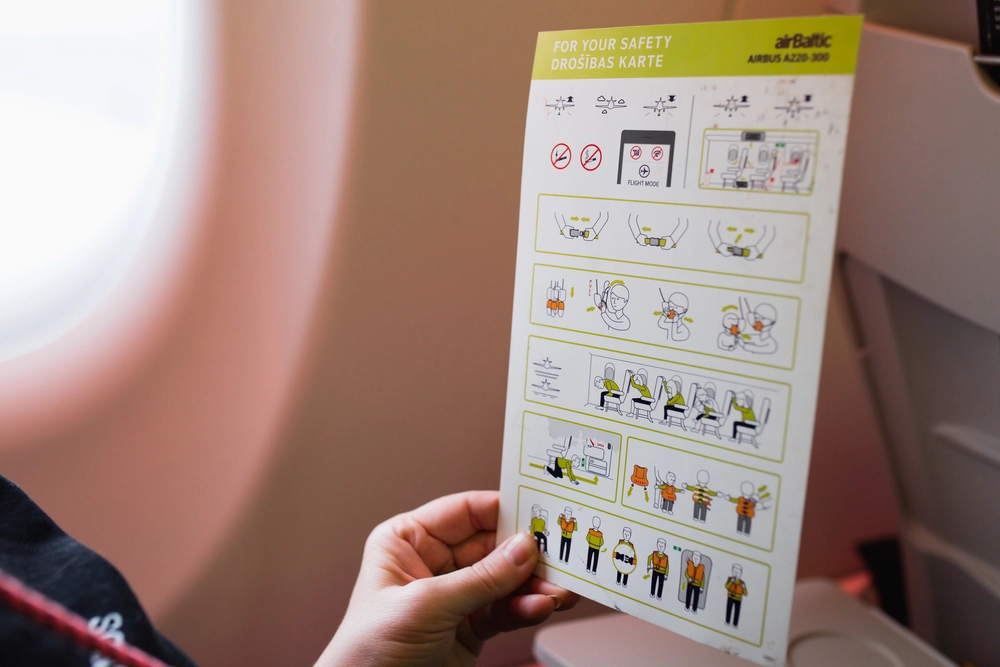
Remaining seated with a fastened seatbelt ensures safety, while crew instructions reflect precaution rather than urgency.
Conclusion
Turbulence is an unavoidable element of atmospheric flight, yet modern aviation manages it with extraordinary precision. Through altitude flexibility, advanced engineering, and proactive routing, private jet turbulence becomes a controlled and predictable condition rather than a threat.
When booking, consider scheduling and operational factors. Knowing how to book private jet with expert operators like RightJet ensures access to aircraft optimised for smooth flight and allows pilots to implement altitude and route strategies to minimize turbulence exposure.
From safety certification to cabin comfort systems, private jets are optimised to minimize both physical stress and passenger anxiety. Understanding how turbulence forms and how it is managed allows travellers to approach each journey with confidence, comfort, and appreciation for the sophistication of private aviation.
At RightJet, we offer access to the latest private jets, expert flight planning, and personalised support to ensure your travel remains smooth and enjoyable from departure to arrival, giving you a superior private aviation experience every time.