
 WhatsApp
 Call Us
 Contact Us
Understanding private jet customs policies is essential for smooth international travel. From immigration checks to passport rules and customs clearance, private aviation follows strict global procedures. This guide explains how traveling in a private jet internationally works, what documents you need, and how to stay compliant while enjoying luxury, privacy, and efficiency.
Introduction to Private Jet Customs Policies
When flying privately across borders, passengers must comply with official aviation and immigration regulations. Private jet customs policies are designed to ensure security, legal compliance, and smooth cross-border operations.
Unlike commercial airlines, private jet travelers enjoy faster processing and flexible schedules. However, this does not mean rules can be ignored. Every international flight must still meet customs, immigration, and aviation standards set by authorities worldwide. Understanding these policies helps travelers avoid delays, fines, and unnecessary complications.
What Are Customs Policies for Private Jets?
Customs policies for private jets govern how passengers, aircraft, and cargo are inspected upon entry or exit from a country.
They ensure that travelers comply with passport rules, visa requirements, customs declarations, and security procedures. Operators usually coordinate with customs officials in advance to ensure efficient clearance upon arrival.
These regulations are guided by organizations such as the International Civil Aviation Organization and the International Air Transport Association, which establish international aviation standards.
How Private Jet Travel Works Internationally
It offers flexibility and privacy, but international operations require detailed planning. Before departure, operators submit flight plans, passenger details, and regulatory documents. Upon arrival, travelers are processed at private terminals, commonly known as FBOs, instead of public airport areas.
This allows passengers to complete immigration and customs procedures in a calm, secure environment while maintaining confidentiality. Private jet international travel policies differ by country, but most follow similar structures. They regulate passenger entry, aircraft registration, security screening, and customs reporting. Some countries require advance clearance, while others allow on-arrival processing. Working with experienced operators ensures compliance with these varying policies.
Private planes must go through private jet customs policies when crossing international borders. Although the process is usually faster and more private than commercial terminals, customs officials still verify documents, inspect luggage, and review aircraft records. Avoiding customs is illegal and can result in serious legal consequences.
Understanding Private Jet Immigration Rules
Private jet immigration rules determine how passengers are authorized to enter a country. All international private jet passengers must carry valid passports. Private aviation does not remove immigration requirements. Depending on the destination, travelers may also need visas, health certificates, or special entry permits. Documentation must remain valid for the entire travel period.
Travelers may be subject to biometric checks, visa validation, and background screening. Even VIP and high-profile travelers must follow official immigration procedures. Private aviation offers speed and privacy, not exemption from regulations.
Operators must obtain overflight permits, landing approvals, and customs clearance for each country involved. Questions such as “can private jets fly overseas” or “can a private jet fly international” have the same answer: yes, with proper authorization and planning. Professional charter companies manage these processes to ensure smooth global operations.
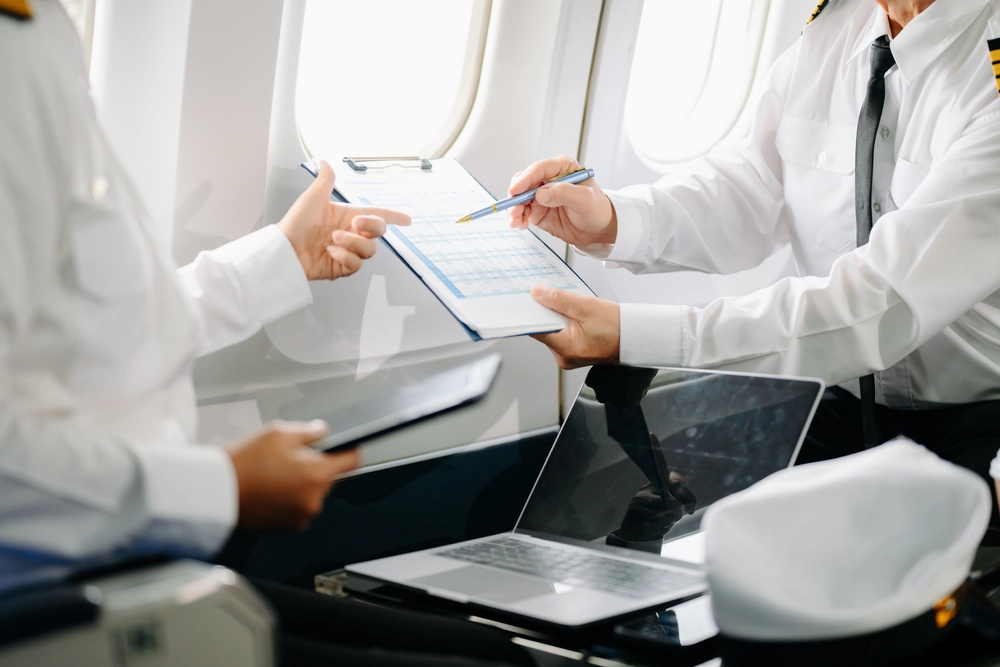
Key Documents Required for International Private Jet Flights
To comply with private jet customs policies, travelers must prepare the following:
Passenger Documents
- Valid passport
- Required visa
- Health certificates (if applicable)
- Travel authorizations
Aircraft Documents
- Registration certificate
- Airworthiness certificate
- Insurance documentation
- Noise compliance certificate
Operational Documents
- Flight permits
- Passenger manifests
- Customs declaration forms
The Role of Aircraft Management and Leasing
Professional aircraft management and leasing play a vital role in maintaining compliance with private jet customs policies for international operations. When aircraft owners or frequent travelers choose managed services, they gain access to expert teams that handle regulatory requirements, documentation, and coordination with border authorities.
Aircraft management companies oversee flight permits, crew visas, customs declarations, and international clearance processes. This ensures that every journey follows current private jet customs policies, minimizing the risk of legal violations or operational delays. These services are especially valuable for travelers who regularly fly between multiple countries with different regulatory systems.
Leasing arrangements also simplify compliance. With leased aircraft, operators maintain standardized documentation, insurance coverage, and registration certificates that meet international standards. This consistency allows smoother interaction with customs officials and aviation authorities worldwide.
Safety and Compliance Go Hand in Hand
Safety and regulatory compliance are closely connected. Aircraft featured in the safest private jet rankings are equipped with advanced navigation and monitoring systems that support international operations. These technologies help ensure accurate border crossings, secure communication, and regulatory reporting.
Weather conditions directly affect international operations. Factors such as cloud ceiling aviation influence landing approvals and airport accessibility. Poor weather may require alternate airports, which can affect customs scheduling and immigration arrangements. Experienced operators monitor forecasts and coordinate with authorities to minimize disruption.
Regional Case Study: Europe and the Middle East Routes
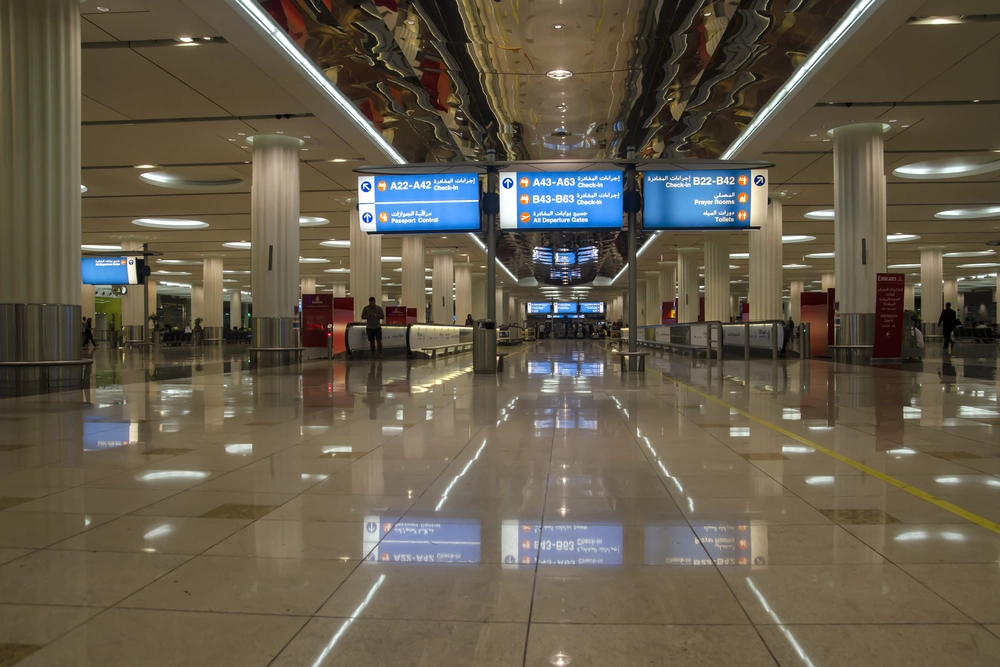
Routes connecting major hubs such as Dubai to Rome, Paris, and London require careful adherence to customs policies across multiple authorities.
Flights originating in the UAE must meet Gulf aviation regulations before entering European airspace. Upon arrival, passengers are subject to EU immigration procedures, customs inspections, and passport verification. Each stage follows distinct private jet customs policies, which must be coordinated in advance to avoid delays.
Additionally, geopolitical factors and security regulations may impact clearance procedures. Some European airports require advance passenger screening and pre-approved landing permits, while Middle Eastern airports may implement additional identity verification measures.
Best Practices for Smooth International Private Travel
Following best practices is essential for ensuring full compliance with private jet customs policies and avoiding unnecessary complications during international travel. Preparation remains the most important factor in successful private aviation operations.
- Submit documentation early
- Verify passport validity
- Confirm visa requirements
- Choose experienced charter providers
- Monitor regulatory updates
- Prepare alternate airports
Conclusion
Understanding private jet customs policies is essential for successful international travel. From passport verification and immigration checks to landing permits and customs inspections, private aviation operates within strict legal frameworks.
At RightJet, with professional coordination and accurate documentation, travelers can enjoy seamless global mobility. By working with RightJet, passengers gain worldwide access while remaining fully compliant with international standards.
Frequently Asked Questions (FAQs)
Can private jets land anywhere internationally?
No. They must use airports with approved customs and immigration facilities unless special permission is granted.
Is private jet international travel faster than commercial flights?
Yes. Private terminals and pre-arranged clearance usually make the process much quicker.
Are visas required for private jet passengers?
Yes. Visa rules depend on the destination country and apply equally to private travelers.
Who manages customs procedures for private flights?
Charter operators and aviation management companies usually handle permits, customs, and immigration on behalf of passengers.