
 WhatsApp
 Call Us
 Contact Us
The operation of FBO airports provides essential aviation services which allow private flights to operate smoothly while delivering personalised travel services. The FBOs provide all flight services, which start from aircraft operations and fueling through to their private facilities and custom airline services.
The blog shows how FBO airports function by demonstrating their essential business and luxury tourism operations.
What is an FBO Airport?
The private aviation industry uses the term FBO, which means Fixed Base Operator, to refer to businesses that deliver independent services for private jet customers, together with charter operators and their airport passengers. These are also known as fixed-base operator airports.
Private aviation FBOs operate from dedicated facilities which serve only their specific requirements, while commercial terminals exist to accommodate large groups of passengers. These private aviation FBO environments provide travellers with pathways to move through the airport without needing to deal with airport chaos because the facilities provide them with private space and quick access to comfortable travel conditions.
For a deeper look at how FBOs are defined and regulated within the wider aviation industry, the National Air Transportation Association (NATA) serves as the leading voice for fixed base operators worldwide. Their resources outline the industry standards, safety protocols, and operational best practices that every accredited FBO is expected to uphold.
Key Services Offered by FBOs
FBOs manage all aircraft operations together with passenger handling activities, which start when a flight begins and continue until it ends. The services provided by FBOs go beyond what commercial airports typically offer because they deliver extra special operational capabilities, commonly referred to as FBO airport services.
Aircraft Handling and Parking
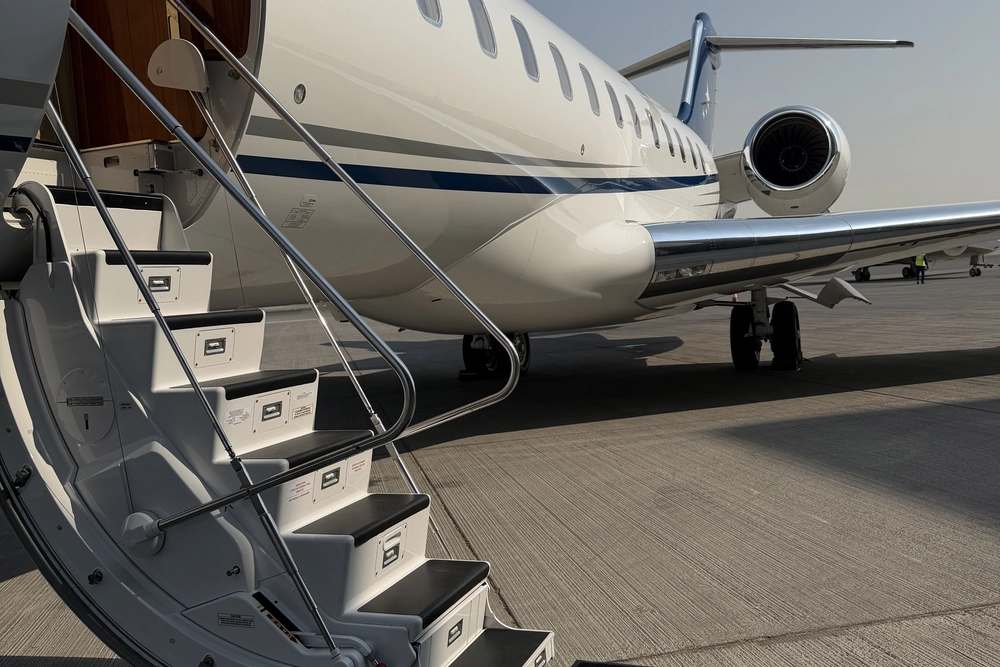
The FBOs manage all ground operations, which involve aircraft parking together with towing activities and hangar storage of aircraft. The process upholds safety standards that permit thorough aircraft maintenance work while enhancing flight operations through fast turnaround processes, also known as FBO private jet handling.
Fueling Services
The aviation industry needs quick refuelling and requires different fuels based on the aircraft, which is vital for its main operational requirements. The FBOs deliver high-quality aviation gasoline, which supports continuous flight operations and secures scheduled flight takeoffs.
Passenger Amenities
FBOs provide exceptional passenger service through their main services. The area provides travellers with private lounge access together with quiet workspaces, refreshment options, and premium areas which serve both relaxing and business meeting purposes, referred to as FBO amenities.
Crew Support
The rest areas provide pilots and crew members with dedicated spaces which include weather briefing rooms and flight planning tools to support their operational needs.
Concierge Services
The FBOs operate as travel coordinators who provide complete service to their clients. The concierge teams manage all service aspects, which include arranging ground transportation, reserving accommodations, delivering catering services and handling special requests.
How FBOs Elevate the Private Flying Experience
FBOs create value because their operations enhance every single aspect of the travel process, especially within a private jet FBO setup.
Faster Departures and Arrivals
FBO passengers can reach the airport only minutes before their scheduled departure time. Security procedures require little time because passengers will begin their flight boarding process from the lounge area.
Privacy and Discretion
FBO terminals provide optimal privacy conditions through their terminal design. The FBO terminal facilities were designed to offer users complete privacy, which meets the requirements of business executives and high-profile travellers who wish to maintain their confidentiality.
Personalised Attention
The travel needs of each customer are fulfilled through the creation of tailored packages. The FBO staff members are prepared to provide customised service, which includes specific meal requests together with last-minute travel adjustments.

FBO Terminals vs Commercial Terminals
The design of commercial airport terminals enables them to accommodate numerous travellers, but this results in lengthy waiting times and packed areas, which force passengers to follow structured procedures. The travellers need to arrive several hours before their flight because they must complete multiple security procedures, which include passing through different checkpoints before their scheduled boarding time. Although a few things, including international polices, remain the same at both airports and should be strictly followed.
FBO terminals create a productive work environment which prevents public access to their operational resources.
These FBO airports provide a peaceful atmosphere without any crowding because boarding procedures are not restricted to specific times throughout the entire process. The passengers can now choose to relax in private spaces or work until it is time to depart.
Why FBOs Are Crucial for Business Aviation
Time efficiency and comfortable space serve as primary requirements needed by the business world. FBOs create business space which enables direct business access without any delays.
Business executives can run their meetings from private lounge areas while they plan their travel and customised travel requirements, which eliminates commercial airline flight unpredictability. The executive users of private aviation prefer this mode of transport because it provides them with fully handled travel services through the FBO airports.
The connection between FBOs and the broader business aviation sector is closely tracked by the National Business Aviation Association (NBAA), the industry body representing operators, executives, and service providers across private flight. NBAA’s research and operational guidance help shape how FBOs continue to evolve in response to the rising expectations of corporate and ultra-high-net-worth travellers.
The Role of Technology in Modern FBOs
Modern FBO airports use advanced technological systems which enhance their operational workflow and improve their customer service experience for clients.
The digital scheduling systems improve arrival and departure time management through better operational control. The aircraft operators receive current information about the aircraft situation through real-time positional updates. The automatic systems permit secure communication between the crew members, passengers and ground personnel, which enables airports to complete fueling operations faster.
Selecting the Appropriate FBO
Just like it is very important to know what private jet will suit you, passengers who select the right FBO for their needs experience major travel benefits. The assessment process begins with an evaluation of airport distance, which continues through passenger service quality assessment, facility safety protocol inspection and passenger amenity assessment.
Private aviation needs reliable partners who support travellers to find their best FBOs through expert matchmaking solutions.
The Future of FBO Airports
The private aviation industry requires FBOs to create new operational capabilities because their business continues to grow.
The aviation industry now prioritises sustainability through operators who implement eco-friendly fuels alongside their energy-efficient operational methods. Premium service offerings now include advanced passenger amenities, which provide greater comfort for travellers.
Travel technology advancements will enhance passenger experiences through improved system performance capabilities. RightJet enables users to assess multiple aircraft options while they manage their entire travel experience from FBO services to all other travel elements.
FBO airports serve as essential components of private aviation because they provide airports with operational advantages and exclusive spaces which typical airport terminals do not provide to passengers. FBO knowledge helps travellers choose better flights as private aviation demand increases, while the RightJet platform provides simple access to top-notch services.
FAQs
1. What does FBO mean in aviation?
FBO stands for Fixed Base Operator, a service provider that supports private and business aviation at airports.
2. Who uses FBO airports?
Private jet passengers, business travellers, charter clients and aircraft operators make up the primary user base of FBOs.
3. How early should I arrive for a private flight at an FBO?
Most passengers arrive 15 to 30 minutes before departure, thanks to faster processing.
4. Are FBOs available at every airport?
FBOs only operate at locations handling private and business aviation traffic; therefore, they do not exist at all airports.
5. Do FBOs provide luxury services?
FBOs provide premium lounges, concierge services, catering services and ground transportation services to their clients.