
 WhatsApp
 Call Us
 Contact Us
Corporate travel these days is not just about commercial first-class flights and those super-rigid airline schedules. A lot of businesses have started to lean into corporate jet leasing, mainly because it helps with executive mobility, it saves time, and it also brings more flexible travel options without the huge investment of actually owning an aircraft.
From multinational companies to new startup firms, leasing private jet solutions makes business trips feel easier, while still staying efficient and convenient. Still, even when leasing gives flexibility and cuts down on some day-to-day headaches, it also creates longer-term financial math and contract terms that a company should really check carefully first, before signing anything.
After following private aviation and executive travel trends closely myself, one thing that becomes obvious pretty quickly is how differently companies now approach business mobility compared to even a few years ago. A lot of businesses are no longer looking at private aviation as something reserved only for ultra-large corporations. More companies now explore corporate jet leasing because it gives them flexibility without committing to the full operational and financial pressure of aircraft ownership, especially when travel schedules constantly shift across regions and markets.
What Is Corporate Jet Leasing?
Corporate jet leasing is basically an arrangement where a business leases a private aircraft for a set period, instead of buying it outright. In this setup, the leasing company keeps ownership of the aircraft, while the client gets operational access based on what’s agreed.
Depending on how the deal is written, leasing might include things like:
- Aircraft access
- Flight crew
- Insurance
- Maintenance
- Operational support
And according to the National Business Aviation Association (NBAA), business aviation still matters a lot for boosting executive productivity and cutting down travel delays for companies working across lots of regions.
What Are the Main Types of Private Aircraft Leasing?
There are two usual types of business jet lease arrangements.
Wet Lease
A wet lease typically includes:
- Aircraft
- Crew
- Maintenance
- Insurance
This option is often chosen by companies that want a more hands-off, fully managed kind of aviation solution.
Dry Lease
A dry lease only covers the aircraft itself. In that situation, the lessee ends up handling operational management, staffing, insurance, and maintenance.
Dry leasing is generally a better fit for companies that already have in-house aviation experience, or for teams that can manage it without outsourcing every step.
There are always some points to keep in mind while preferring jet lease vs dry lease.
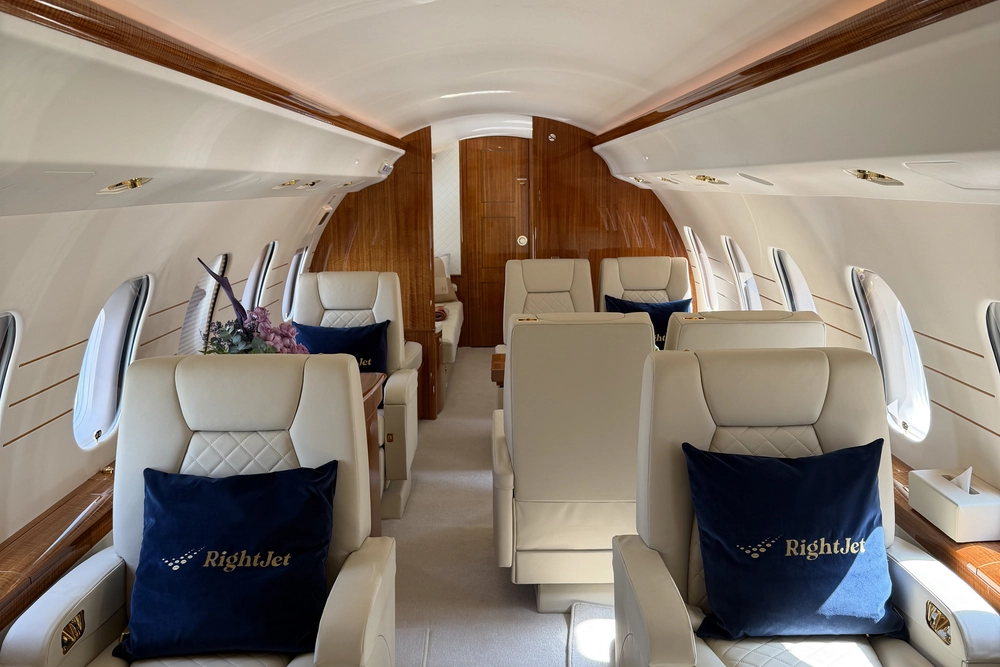
Why Are Businesses Choosing Corporate Jet Leasing?
As of 2026, a lot of businesses are prioritising flexible aviation solutions more than investing in full aircraft ownership. With operational costs rising and corporate travel needs shifting all the time, leasing has become a more practical approach.
Lower Upfront Investment
Probably the clearest advantages of aircraft leasing is avoiding the high upfront cost of buying a private jet.
Owning a corporate jet can include:
- Multi-million-dollar acquisition costs
- Crew salaries
- Insurance expenses
- Maintenance costs
- Hangar fees
Leasing lets businesses access private aviation while keeping capital free for business operations, growth, and other investment priorities. Also, if a company has changing travel calendars, leasing can feel more financially sensible than ownership.
Improved Executive Travel Efficiency
Time efficiency still drives a lot of corporate aviation decisions. Executives using private jet lease options can often:
- Skip commercial airport congestion
- Reach smaller regional airports
- Fit multiple meetings into one day
- Keep privacy during travel
- Reduce travel fatigue overall
The Federal Aviation Administration (FAA) also notes that business aviation can improve connectivity for destinations that aren’t always easy to reach through commercial airlines.
Reduced Operational Responsibilities
Owning a private aircraft takes ongoing management, including stuff like:
- Maintenance coordination
- Regulatory compliance
- Crew management
- Insurance administration
With business jet leasing, many of these operational tasks can be handled by the provider, especially with wet lease agreements. So, for businesses that want flexibility but not the complexity of ownership, leasing keeps looking a lot more attractive.
Flexibility for Growing Businesses
Not every company needs year-round private aviation access. One major benefit of private jet leasing benefits is scalability, basically the ability to adjust as needs change.
Companies can have the following perks;
- Upgrade the aircraft size when demand really starts to rise.
- Lease seasonally during the peak windows, as in when it truly counts.
- Reroute travel plans as the business keeps expanding.
- Access different aircraft categories depending on what the trip actually needs,
For international operations and fast-growing businesses, especially, this kind of flexibility can genuinely improve operational efficiency, even if it feels a bit messy at first.
What Are the Downsides of Corporate Jet Leasing?
Even though leasing has obvious benefits, businesses should still check the negatives before signing anything that runs for years.
Long-Term Costs Can Go Up
Leasing can lower the initial investment, but those recurring payments can pile up. Over time, they can get pretty expensive, especially when reviewing long-term aircraft leasing costs.
For organisations with very frequent travel schedules, owning the aircraft may later be more cost-effective.
Businesses should review things like:
- Annual flight hours.
- Executive travel frequency.
- Long-term operational plans.
- Future growth projections.
Limited Aircraft Customisation
With ownership, you usually get more breathing room. Leasing agreements may limit cabin changes, branding updates, and even custom layouts. If a company wants fully personalised executive interiors, ownership may feel more suitable.
Availability During Peak Travel Seasons
Aircraft demand often rises during:
- International business events and related gatherings
- Holiday periods
- Peak tourism seasons
- Global conferences
Businesses that lean heavily on leased aircraft may sometimes hit limited availability when demand spikes. Booking flights in advance becomes more important.
Contractual Restrictions
Some leasing deals include restrictions such as:
- Flight hour limits.
- Geographic operating zones.
- Cancellation policies.
- Liability responsibilities
Industry professionals often say you should review the lease terms very carefully and bring in legal and financial advisors before anything is signed. That part really matters.

Corporate Jet Leasing vs Ownership: Which One Is Better?
Whether leasing vs buying a private jet is “better” mostly depends on operational requirements and how often the aircraft is truly needed.
Leasing May Be Better for Businesses That:
- Prefer lower upfront investment
- Have shifting travel schedules
- Want operational flexibility
- Do not want maintenance responsibilities,
Ownership May Be Better for Businesses That:
- Fly extensively throughout the year
- Require full operational control
- Want long-term asset ownership
- Need extensive aircraft customisation
Which Industries Commonly Use Business Jet Leasing?
A handful of industries use corporate aviation solutions to support executive mobility, while keeping day-to-day operations running smoothly.
These industries include:
- Finance and investment firms
- Entertainment and media companies
- Healthcare and medical logistics
- Energy and infrastructure sectors
- International consulting firms,
These businesses often need travel that is fast, flexible, and confidential, with fewer surprises. Many businesses exploring executive aviation also ask, ‘Can you lease a private jet’ without buying one outright.
Others compare leasing planes with ownership models, depending on long-term travel frequency and expansion plans.
Corporate jet leasing has become a practical option for businesses chasing flexibility and convenience, along with stronger executive travel efficiency without taking on the major investment that aircraft ownership usually requires.
Leasing can bring advantages like lower upfront costs, operational flexibility, and managed support services. Still, businesses should assess long-term expenses, the actual lease terms, and travel frequency before committing.
For organisations exploring modern private aviation solutions, RightJet provides tailored charter and aviation services meant to support efficient, flexible corporate travel needs.
FAQS
Is corporate jet leasing cheaper than buying?
Generally, leasing needs a lower upfront investment, so it can feel more accessible for businesses that don’t have full-time aviation requirements.
What is the difference between a wet lease and a dry lease?
A wet lease includes crew, maintenance, and insurance, while a dry lease provides only the aircraft.
Are maintenance costs included in private jet leasing?
In many wet lease agreements, maintenance costs are included in the overall operational package.
Is business jet leasing suitable for startups?
Yes. Leasing can give startups flexible executive travel without the financial pressure of owning.