WhatsApp
 Phone Call
 Email



Air Ambulance Aircraft Management Aircraft Sales and Acquisition Global Destinations helicopter charter Jet Charter Lifestyle Market Insights Rightjet Journal Specialized Air Cargo Tips
Aircraft Sales and Acquisition |
October 30, 2026
Private Jet Depreciation: How Aircraft Values Change in 2026

AI Quick Summary
Private jet depreciation describes how an aircraft loses value over time due to age, hours flown, maintenance condition, model availability and wider market demand. In 2026, well maintained aircraft under active management tend to depreciate more slowly than those left idle. This article explains how private jet depreciation works, what typically affects the rate, and how charter management and advisory services can help owners protect long term value.
Private jet depreciation is one of the most important numbers for any owner. It shapes resale value, financing terms, insurance premiums and the long term financial case for ownership. Understanding what drives private jet depreciation helps owners make better decisions during aircraft sales and acquisition and across the operational life of the aircraft.
Understanding private jet depreciation
What is private aircraft depreciation?
What is private aircraft depreciation at a practical level. It is the measured reduction in the aircraft’s market value from the moment it enters service. Depreciation starts the day an aircraft is delivered and continues across its operational life, with the biggest drop usually happening in the first year of ownership.
Depreciation is influenced by both time and use. Even an aircraft that sits idle will lose some value every year, while an aircraft flown heavily can lose value faster through accumulated hours and wear. The way the aircraft is managed, including how maintenance is tracked and reported, materially affects the final figure.
What is the depreciation rate for aircraft?
Depreciation is more complex than a single number across the business aviation market. Some aircraft types actually appreciate under the right conditions, with certain Gulfstream models rising in value in recent cycles. Others can lose significant value quickly, particularly when the wrong aircraft was chosen at acquisition. The exact pattern varies by model, age and segment, with newer ultra-long-range aircraft often holding value better than older midsize jets.
Rates also move with wider economic conditions. In strong markets, demand for pre-owned aircraft rises and value depreciation slows or reverses for certain models. In softer markets, aircraft values typically decline as inventory sits longer and buyers negotiate harder. Industry data sources such as Aircraft Bluebook and Cirium Ascend track residual values, but reading the market with precision requires a trusted advisor who knows the business inside out. This is where RightJet supports owners with accurate guidance on how their aircraft is likely to perform in the current market.
Factors that influence private jet depreciation
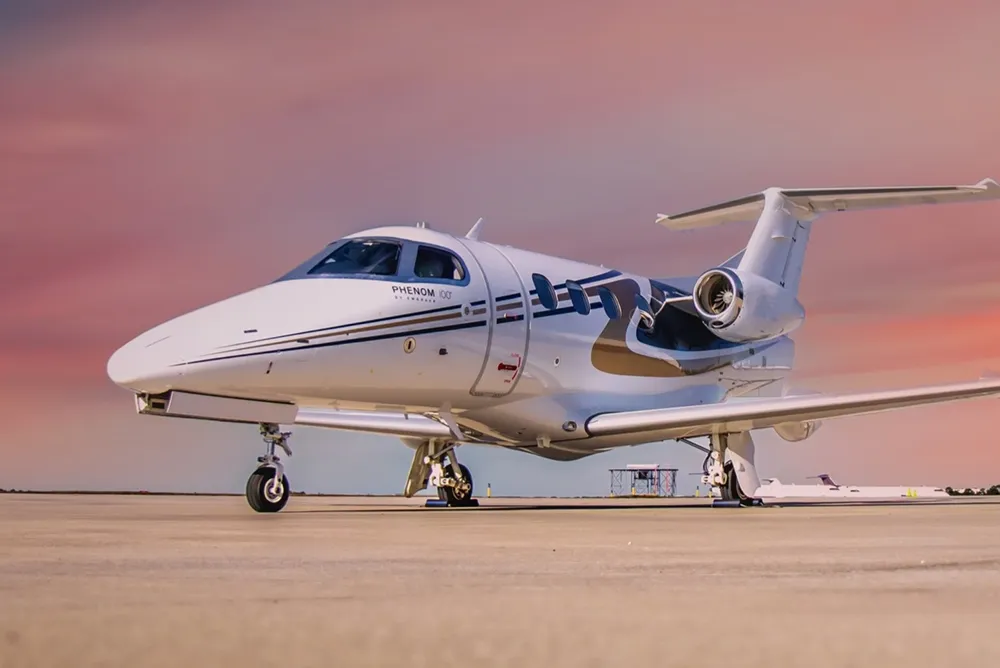
Several factors sit behind the headline rate.
- Hours flown, where more time in the air generally means faster value loss, though underutilisation also hurts value through reduced buyer confidence
- Maintenance records, as complete and well presented records support higher resale figures
- Engine programme enrolment, since aircraft enrolled on manufacturer engine programmes tend to hold value better
- Age and model, because certain aircraft types hold value far better than others due to buyer demand
- Market conditions, as supply and demand in the pre-owned market shift the depreciation curve year to year
How the aircraft is managed on a day to day basis affects nearly all these factors. Our overview of private jet ownership cost explores the ongoing cost side of this equation.
Protecting aircraft value in 2026
How charter management helps offset depreciation
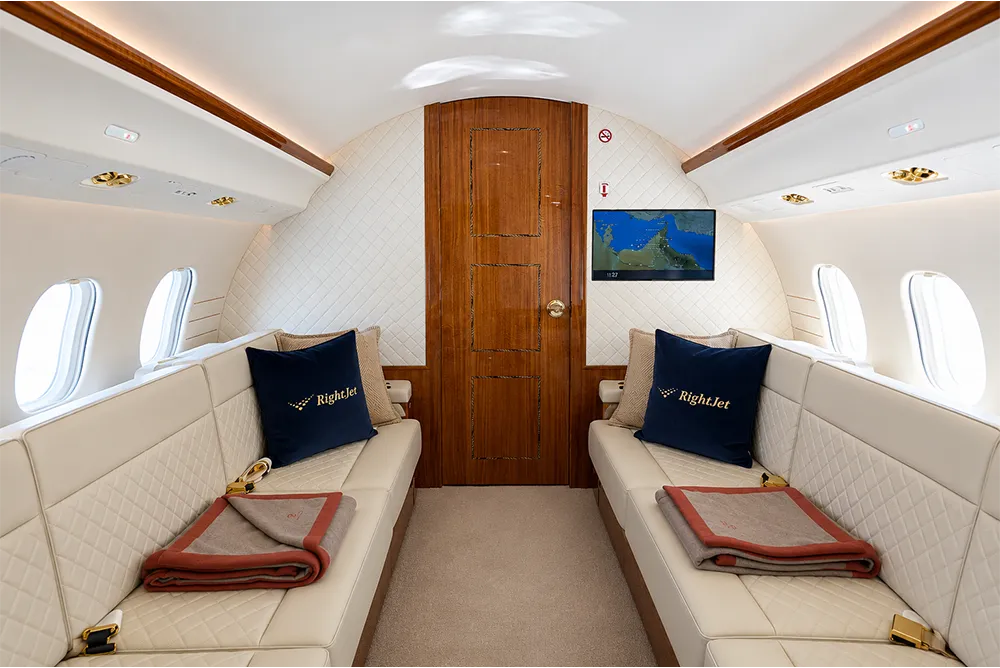
One way owners offset the impact of private jet depreciation is through charter management. By placing the aircraft on charter when it is not being used by the owner, revenue is generated that reduces the net cost of ownership.
Charter management done poorly can actually increase depreciation through excessive flight hours and avoidable interior wear. RightJet addresses this by delivering maximum yield while minimising total charter hours, so owners offset operating costs without accelerating depreciation. This matters not only for the overall depreciation that comes from higher flight hours, but also for the interior condition which many owners are keen to protect across the life of the aircraft.
A capable charter management partner also keeps maintenance records clean and consistent, which supports stronger resale value when the owner decides to sell.
The role of advisory and acquisition planning
The decision of which aircraft to buy affects depreciation long before the first flight. An experienced aircraft acquisition advisor helps owners choose aircraft with historically stable resale value and avoid types with weak buyer demand. The choice between new and pre-owned also matters, which is covered in our guide on brand new or pre-owned private jet options.
Management also plays a key role in protecting value. One of the simplest ways to slow depreciation is hangarage, which shields the aircraft from harsh sun and weather conditions that would otherwise accelerate exterior wear. Under RightJet’s management, we negotiate the right hangar for the owner’s aircraft and specific requirements. Hangarage is not always necessary for every aircraft, but it is often recommended for protecting long term value.
Private jet depreciation is not fixed. It responds to how the aircraft is used, managed and prepared for resale. Owners who choose the right aircraft, run disciplined management and maintain complete records consistently achieve stronger resale outcomes than those who approach ownership passively.
To discuss your next aircraft sales advisory requirement or explore how to protect the long term value of your current aircraft, contact RightJet and the team will be in touch.
FAQs
Q: What is private jet depreciation?
A: Private jet depreciation is the reduction in an aircraft’s market value over time. It is influenced by age, hours flown, maintenance records, engine programme enrolment and wider market demand.
Q: What is the depreciation rate for aircraft?
A: Depreciation typically runs between ten and fifteen per cent in the first year and three to five per cent per year afterwards. The exact rate depends on model, condition, market conditions and how the aircraft is managed.
Q: Can charter management reduce depreciation?
A: Charter management does not reduce depreciation directly, but the revenue it generates offsets part of the overall cost of ownership. Keeping the aircraft active also supports buyer confidence at resale.
Q: Who should an owner consult about aircraft value?
A: Owners should work with an experienced aircraft acquisition advisor and reference recognised industry data sources for residual values. Clean maintenance records and transparent management support the final resale figure.