 WhatsApp
  Phone Call
 Email
Email 



Air Ambulance Aircraft Management Aircraft Sales and Acquistion Global Destinations helicopter charter Jet Charter Lifestyle Market Insights Rightjet Journal Specialized Air Cargo Tips
Tips |
July 14, 2026
Understanding Turboprop Aircraft: Efficiency and Performance

AI Quick Summary
Turboprop aircraft combine turbine engine power with propeller propulsion, delivering strong fuel efficiency and short-runway capability for regional flights. In 2026, turboprops remain a practical choice for short-haul routes under 1,000 nautical miles, offering lower operating costs, better airport access, and reduced emissions compared to jets. Popular models include the ATR 72 for commercial routes and the Beechcraft King Air 350 for private and executive travel.
As of 2026, turboprop aircraft are becoming one of the most efficient options for regional aviation, and it is because they’re generally cheaper to run. With a lighter fuel burn, a bit more operational flexibility and the ability to get in and out of smaller airfields, turboprops keep getting revisited by airlines and operators for short to medium-haul hops.
Modern turboprop aviation still keeps expanding across regional markets. Here’s how turboprops work, what you can expect from their performance, and why turboprops remain relevant in modern aviation.
What Is a Turboprop Aircraft?
A turboprop aircraft uses a turbine engine that’s mechanically tied into a propeller system. Instead of relying mainly on exhaust thrust like a lot of jet aircraft do, turboprops take engine power and turn it into rotational motion, then that motion spins the propellers, and the props push the plane forward.
The U.S. Federal Aviation Administration (FAA) points out that turboprops tend to shine on regional routes, largely because they give strong fuel economy while cruising at lower speeds and altitudes compared with jets. This type of prop plane system is especially practical for shorter routes.
You’ll commonly see these aircraft used for:
- Regional commercial flights
- Private charters
- Cargo transport
- Medical evacuation services
- Remote destination access
And when the trips are on the shorter side, a lot of operators still treat turboprops as one of the most practical choices. A modern turboprop airplane is often selected for these shorter operations.
Why Are Turboprop Aircraft Popular?
Fuel Efficiency
Fuel efficiency is probably the main reason operators keep picking turboprops.
When you line them up against many light jets, turboprops often burn less fuel on short sectors. In International Air Transport Association (IATA) regional aviation reports, this is framed as a way for airlines and private carriers to cut operating costs while still inching toward sustainability targets.
Also, for flights that are roughly under two hours, the total travel time gap between a turboprop aircraft and a jet is usually not significant, so the advantage doesn’t disappear. If you are not completely aware of how jet fuels work, here is your complete jet fuel guide.
Access to Smaller Airports
Another big plus is that turboprops can deal with shorter runways, and they tend to fit smaller regional airports really well.
So getting in becomes easier for :
- Remote destinations
- Island airports
- Coastal locations
- Regional business hubs
In many cases, people land nearer to where they actually need to be, instead of routing everyone through crowded international hubs. That flexibility remains one of the biggest turboprop plane advantages.
Lower Operating Costs
Day-to-day expenses for turboprops are often lower than for jets.
Those savings usually come from things like:
- Reduced fuel burn
- Lower maintenance costs
- Smaller landing fees
- Lower airport handling charges
So for commercial operators and for private jet charter services too, turboprops keep their pull, because operating costs remain predictable with what people expect. Even a turboprop private plane can be more cost-effective to operate than many jets.
How Does a Turboprop Engine Work?
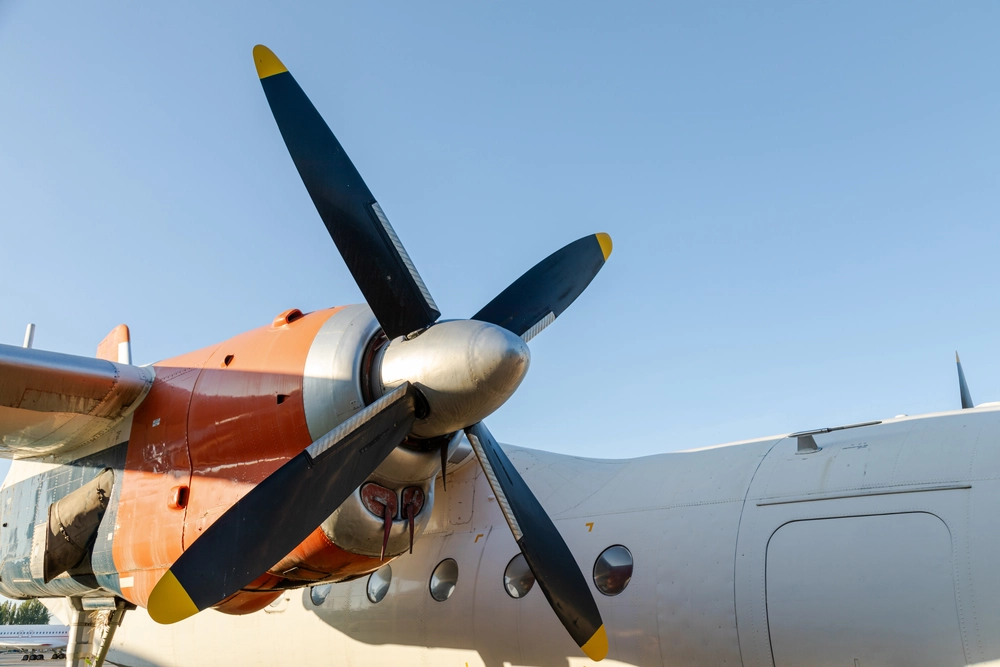
A turboprop engine blends turbine tech with propeller propulsion.
It typically runs through a sequence like this :
- Air enters the compressor, and the air is compressed and mixed with fuel
- Combustion creates high-pressure gases
- The turbine converts that into rotational power
- The propeller spins to produce thrust
Unlike a turbojet, a lot of the useful energy in a turboprop is aimed at driving the propeller system, not only pushing hot exhaust out the back.
That setup supports efficiency during lower-speed regional operations, where you may not need top-tier nonstop jet performance. These remain important turboprop aircraft features in regional aviation.
Performance Advantages of Turboprop Aircraft
Efficient Regional Flying
Jets are engineered for speed and longer-distance segments. But many regional routes are simply too short for jets to fully benefit from that advantage. Both jets and turboprops face the same customs policies when travelling internationally, though turboprops often benefit from access to smaller airports with streamlined processing.
Turboprop aircraft usually do well at lower altitudes and across shorter distances, so they’re naturally suited for regional connection missions.
Typical operational strengths include :
- Lower fuel consumption
- Higher efficiency on short sectors
- Reduced emissions
- Cost-conscious regional operations
- Strong short-field capability
Many turboprops can operate safely from shorter runways and regional airfields, where larger jets may run into limits. And that really makes a difference, especially where infrastructure is still expanding, or where airport capacity is already tight.
For business travellers and private travellers, that flexibility often widens route options too, and the overall convenience tends to improve as well. These regional routes remain among the most common turboprop plane uses globally.
Cabin Comfort Improvements
From personal experience, newer turboprops feel far more pleasant than older versions. They usually seem calmer in the cabin,not just quieter, also with noticeably smoother flights , even when you’re not really expecting it. Aircraft makers keep pushing cabin insulation, quieter noise reduction setups, plus seating comfort, and even pressurisation upgrades that you can actually notice; the experience is different in a noticeable way.
So passengers on newer turboprops now get quieter, less jittery flights than lots of people assume before booking. A modern small turboprop aircraft now feels far more refined than older generations.
Famous Examples of Turboprop Aircraft
ATR 72
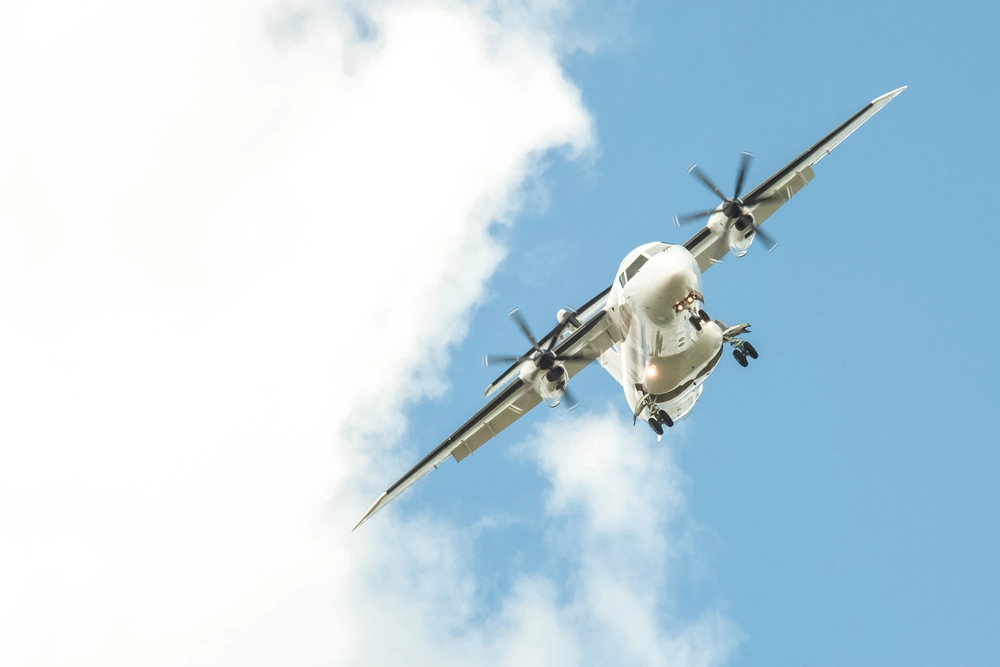
The ATR 72 is one of the world’s most used regional turboprop aircraft. It’s especially known for strong fuel efficiency, dependable short-haul operations, and a solid passenger count that helps regional connectivity stay alive and moving.
Lots of airlines across Europe, Asia, and the Middle East keep using the ATR 72 to move people where they need to go, faster and to more convenient airports.
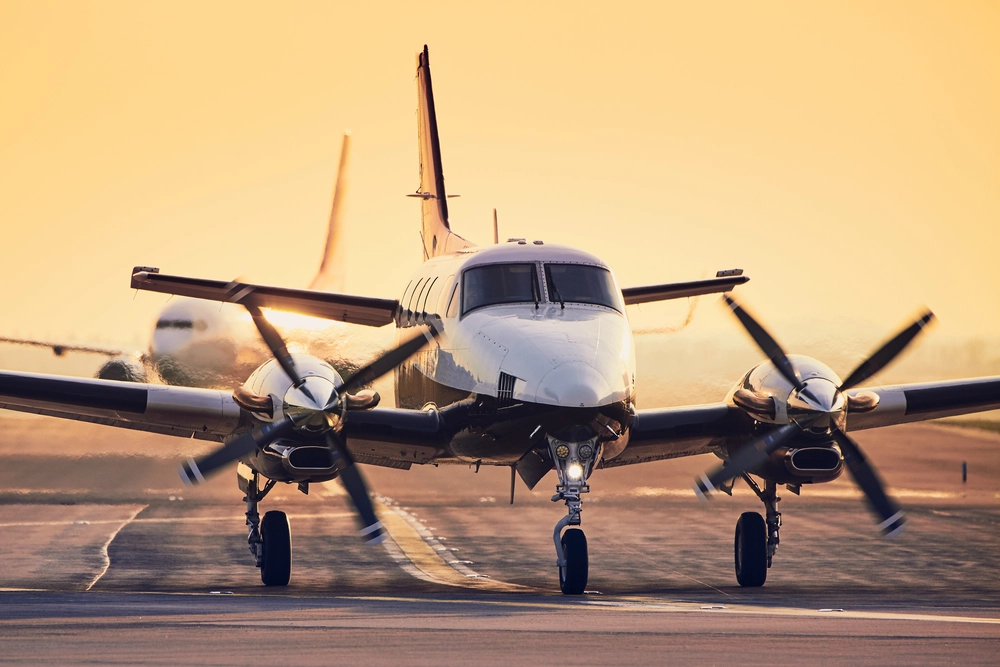
Beechcraft King Air 350
The Beechcraft King Air 350 is a top-tier turbo aircraft that private aviation trends mention a lot.
You’ll typically spot it for:
Executive travel, charter flying, air ambulance operations and government missions
It’s also seen as dependable, and it handles operational adaptability well across different calendars, routes, and mission pivots.
Are Turboprop Aircraft Environmentally Friendly?
Since turboprop aircraft generally burn less fuel, they often produce lower carbon emissions on regional trips.
EASA, the European Union Aviation Safety Agency, says turboprops can reduce emissions in a noticeable way compared with regional jets on comparable routes. That’s a big reason turboprops have gained more attention as aviation companies chase sustainability and push harder for fuel economy improvements.
Also, some turboprop manufacturers are working on better compatibility of turboprop aircraft with Sustainable Aviation Fuel (SAF), which is a major part of the broader future roadmap.
Conclusion
Turboprop aircraft keep proving they’re useful in modern aviation, mainly through efficiency, flexibility, and dependable regional performance. Jets might dominate long-haul luxury travel, but turboprops stay extremely capable for shorter routes where fuel economy and airport access matter most.
At RightJet, travellers can explore aviation solutions built for both regional efficiency and premium travel experiences. Contact our team today to plan your next flight.
FAQs
Q: What is a turboprop aircraft?
A: A turboprop aircraft uses a turbine engine to drive propellers, helping support efficient regional and short-haul flights.
Q: Are turboprop aircraft fuel efficient?
A: Yes. Turboprops typically use less fuel than jets on shorter regional routes.
Q: Which airports can turboprop aircraft use?
A: Turboprops can operate from shorter runways and smaller regional airports where larger jets cannot land.
Q: Why are turboprops used for regional travel?
A: They run efficiently from smaller airports, and they can handle even shorter runways.
Q: What are the most popular turboprop aircraft in service today?
A: The ATR 72 and Beechcraft King Air 35 are most widely used for regional and charter use.